Ngorongoro Conservation Area
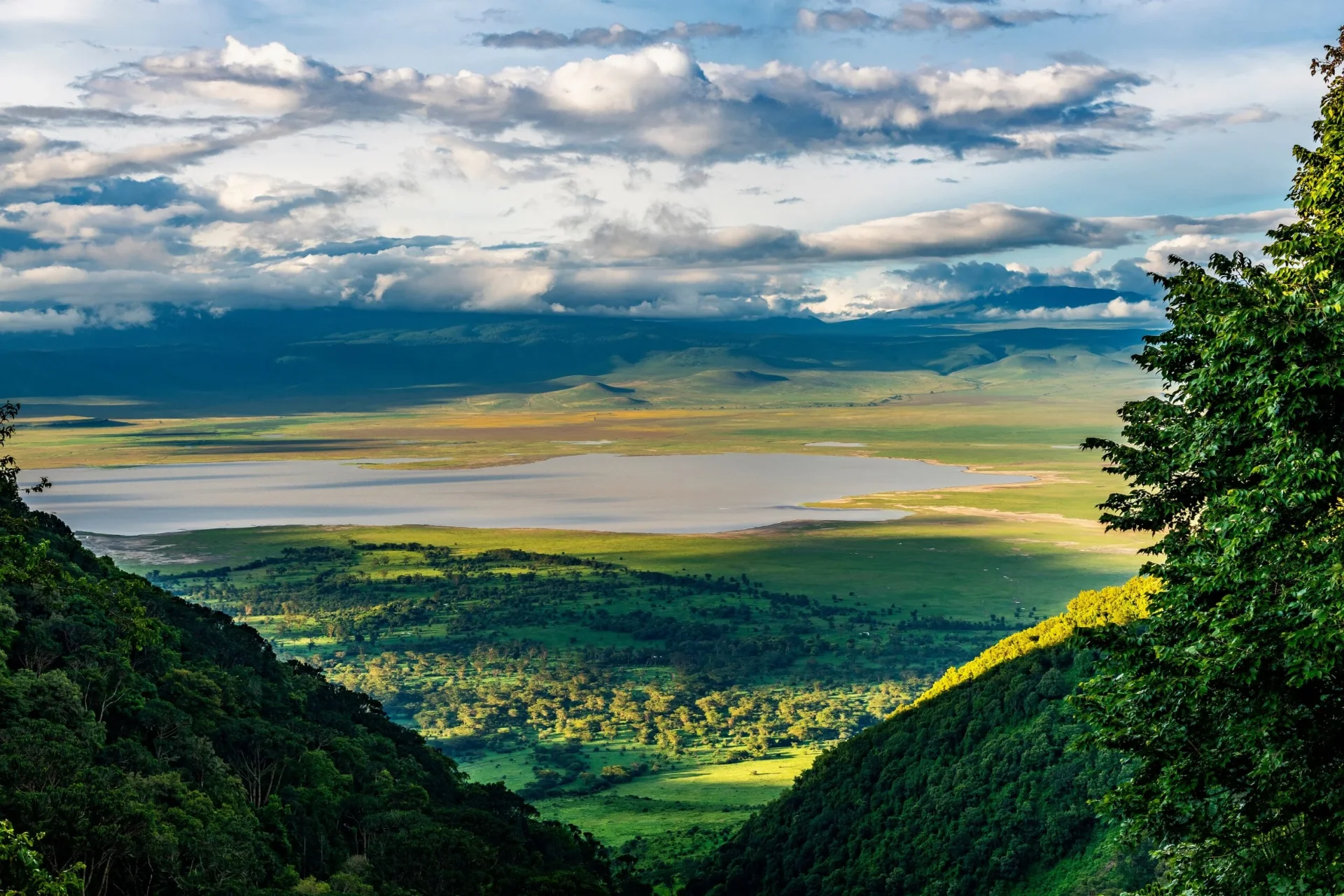
The Ngorongoro Crater is the world's largest intact volcanic caldera and a UNESCO World Heritage Site. Home to approximately 25,000 large animals including the Big Five, it offers one of Africa's most concentrated wildlife experiences. The crater's unique ecosystem creates unmatched game viewing within its 260 square kilometre floor.
Ngorongoro in Numbers
The Crater Floor
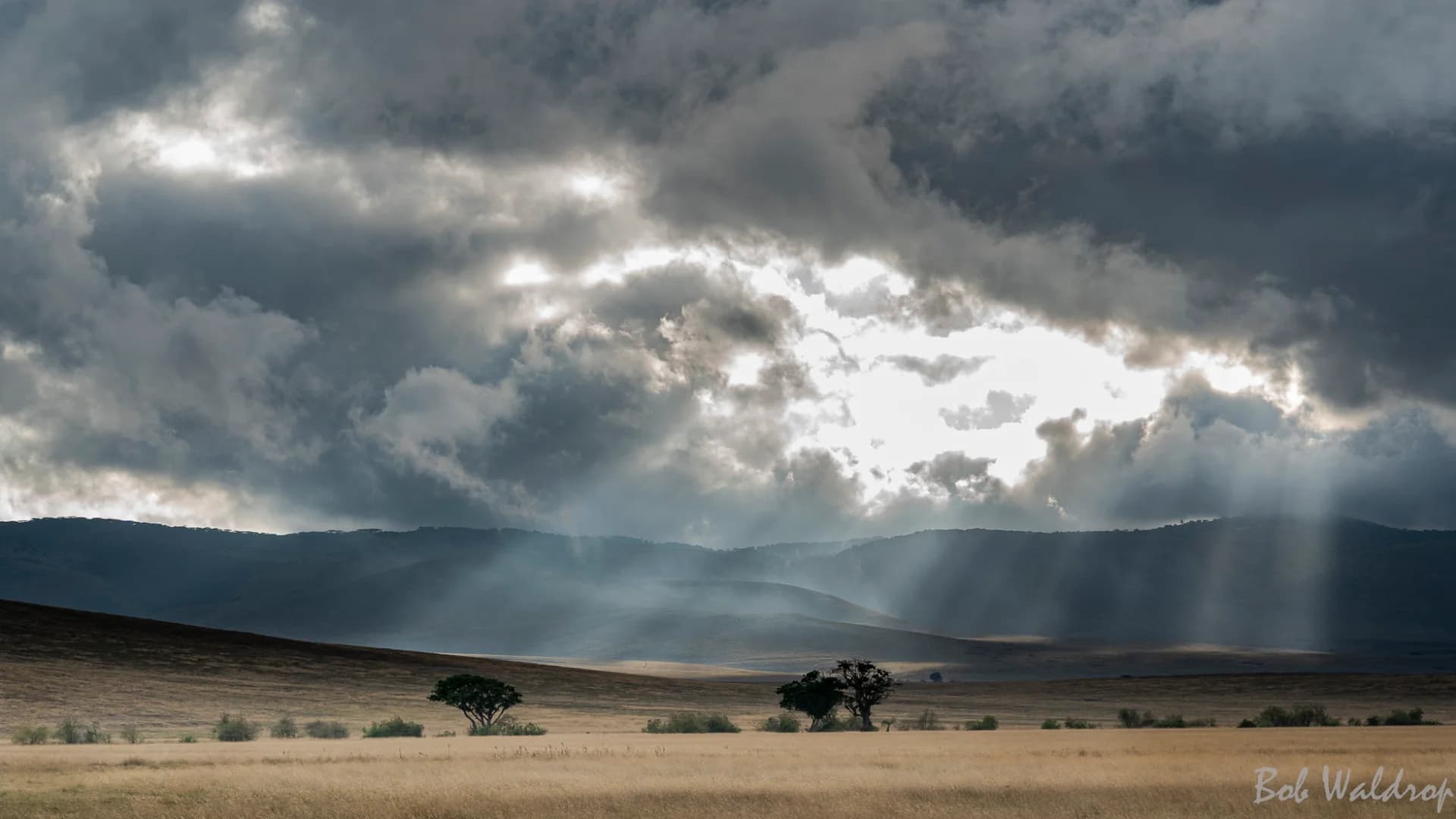
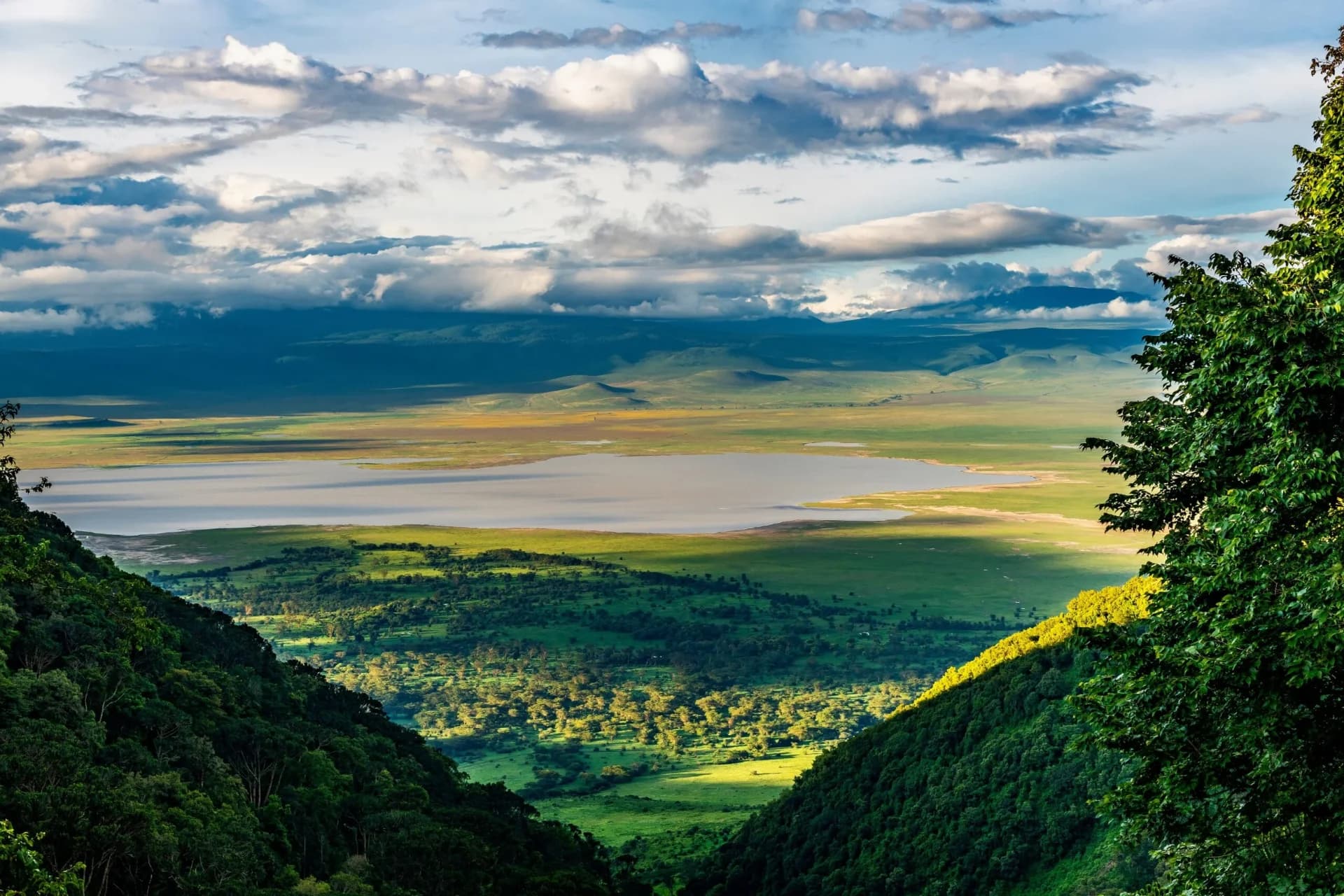
The Ngorongoro Crater formed roughly two to three million years ago when a massive volcano collapsed inward. Today its 600-metre walls enclose a 260 km² Eden — a self-contained ecosystem where grasslands, swamps, acacia forests, and a soda lake support extraordinary wildlife densities.
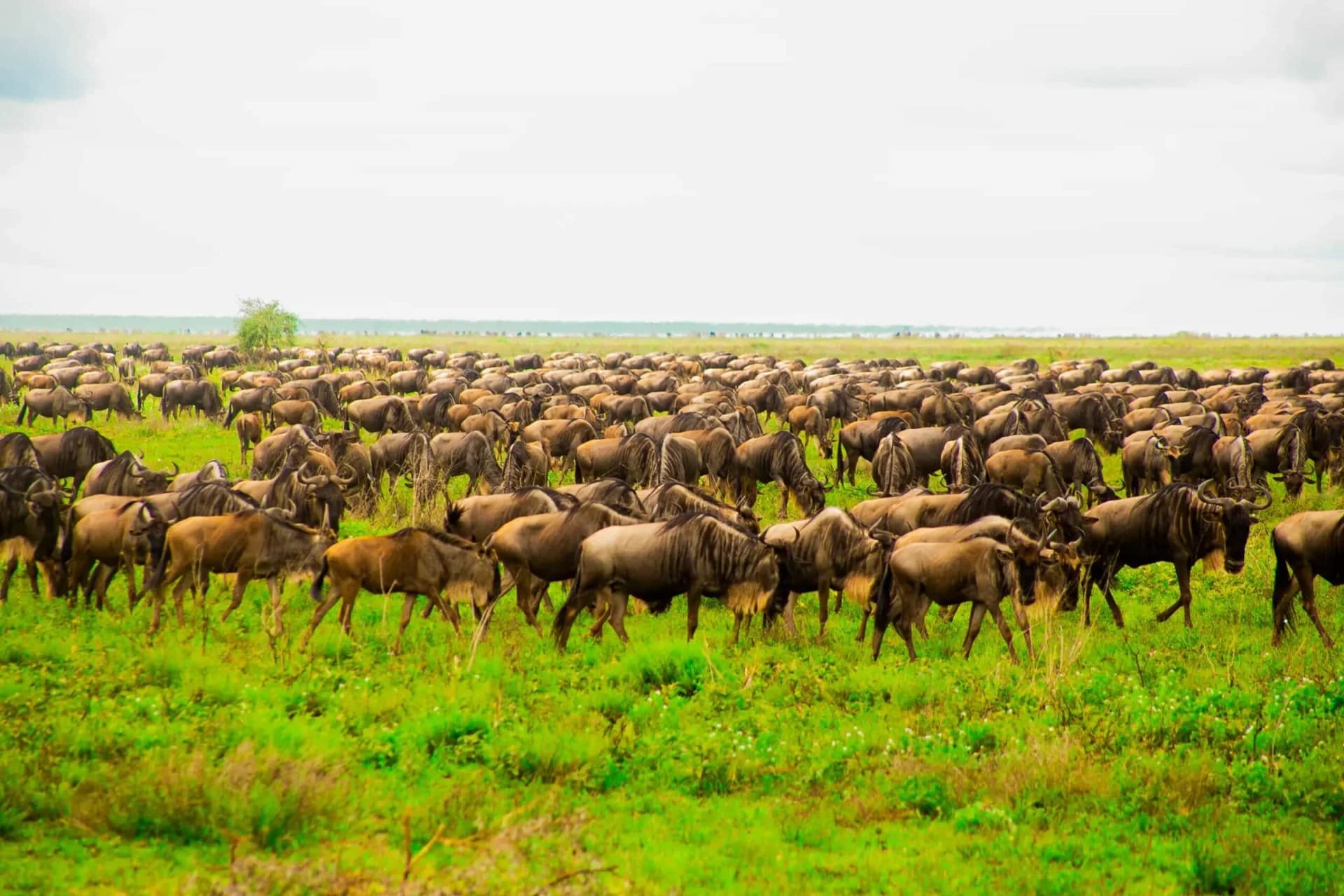
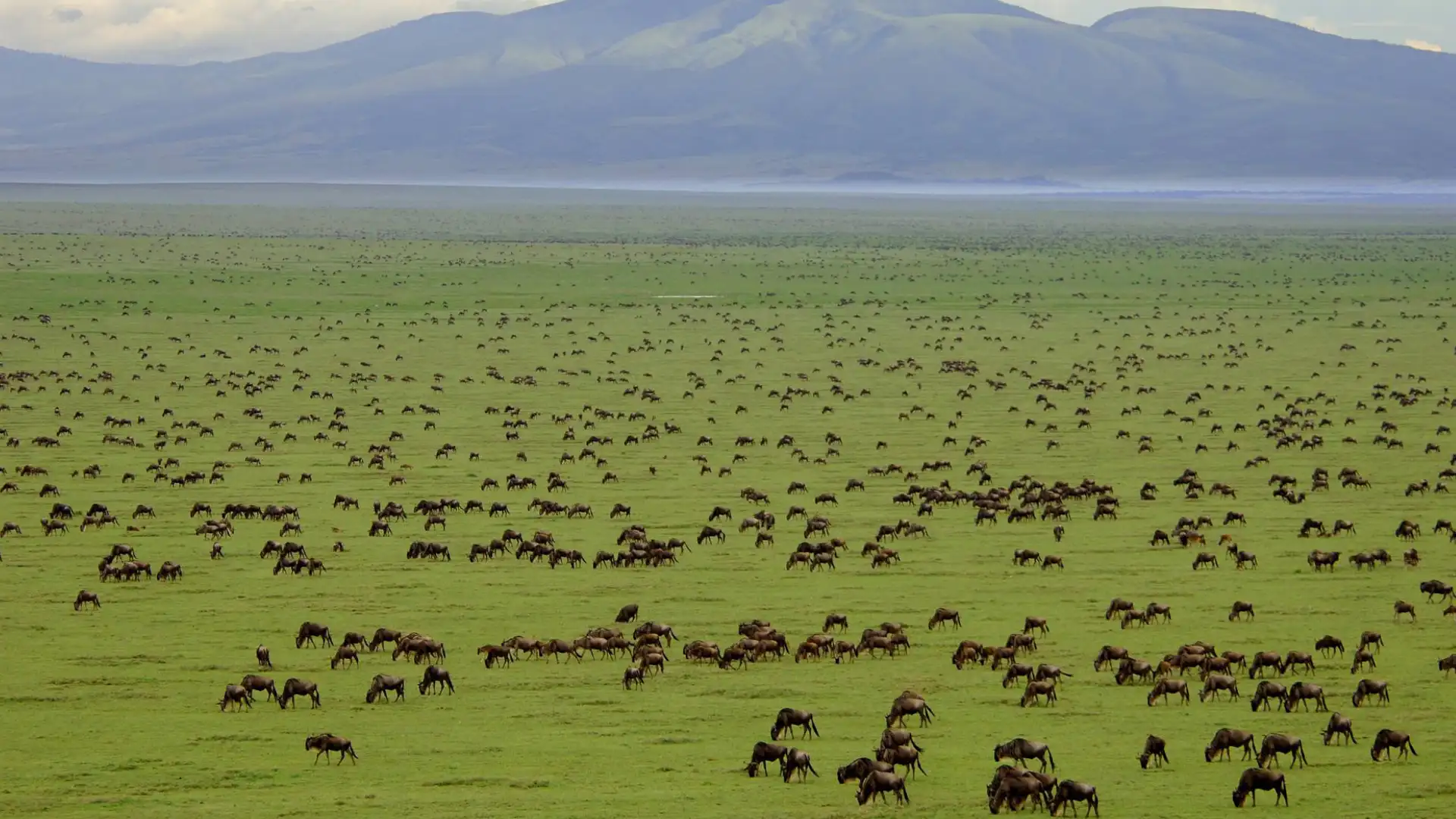
The crater floor is one of the few places in Tanzania where you can reliably see the critically endangered black rhino. It also supports an estimated 62 lions, one of the densest populations in Africa relative to area, alongside thousands of wildebeest, zebra, buffalo, and flamingos.
Game drives descend into the crater at dawn and ascend before dusk, giving you a full day immersed in one of the most remarkable landscapes on the continent.
What You Will See
The crater’s enclosed ecosystem supports an extraordinary concentration of wildlife in a compact, easily explored area.
Big Five Territory
All Big Five are found within the crater. Black rhinos graze the open plains, lion prides hold territories across the floor, leopards patrol the forested crater rim, and large herds of buffalo and elephant roam freely.
Flamingo Lake
Lake Magadi, the shallow soda lake at the crater’s centre, attracts thousands of lesser flamingos that tint the water pink. Hippos wallow in the freshwater streams that feed into it.
Lerai Forest
A dense yellow-fever acacia woodland on the crater floor, the Lerai Forest is the domain of vervet monkeys, waterbuck, and elusive leopards. Elephant bulls browse its shaded canopy.
Maasai Heritage
Unlike national parks, the Ngorongoro Conservation Area uniquely allows the Maasai people to live alongside wildlife. For centuries, Maasai pastoralists have grazed their cattle on the highlands surrounding the crater, maintaining traditions that predate colonial borders.
This dual-use model — conservation and community — makes Ngorongoro one of the most important experiments in sustainable coexistence between humans and wildlife in Africa.
- Maasai bomas and cultural visits available near the rim
- One of the earliest multi-use conservation areas in Africa
- Archaeological significance — Olduvai Gorge lies within the NCA
- Laetoli footprints: 3.6-million-year-old hominin tracks nearby
- Over 40,000 Maasai residents coexist with wildlife